Why Do People Really Row?
Over the years, I have read hundreds of articles, watched thousands of YouTube videos, seen countless Facebook posts, and read many books about rowing. Many of them are excellent. But almost all of them only talk about improving technique, increasing power, making the boat go faster (or not slowing it down), improving erg results, developing better training programs, and ultimately making rowers better, usually so they can compete more effectively. These are important parts of our sport, and for many rowers, the pursuit of improvement is exactly what keeps them motivated.
But as I was in the shower following another brutal training session (running), it got me thinking about something else. Why do people really row? What is their modus operandi? I don’t think everyone is the same, yet on regatta day you would think they are.
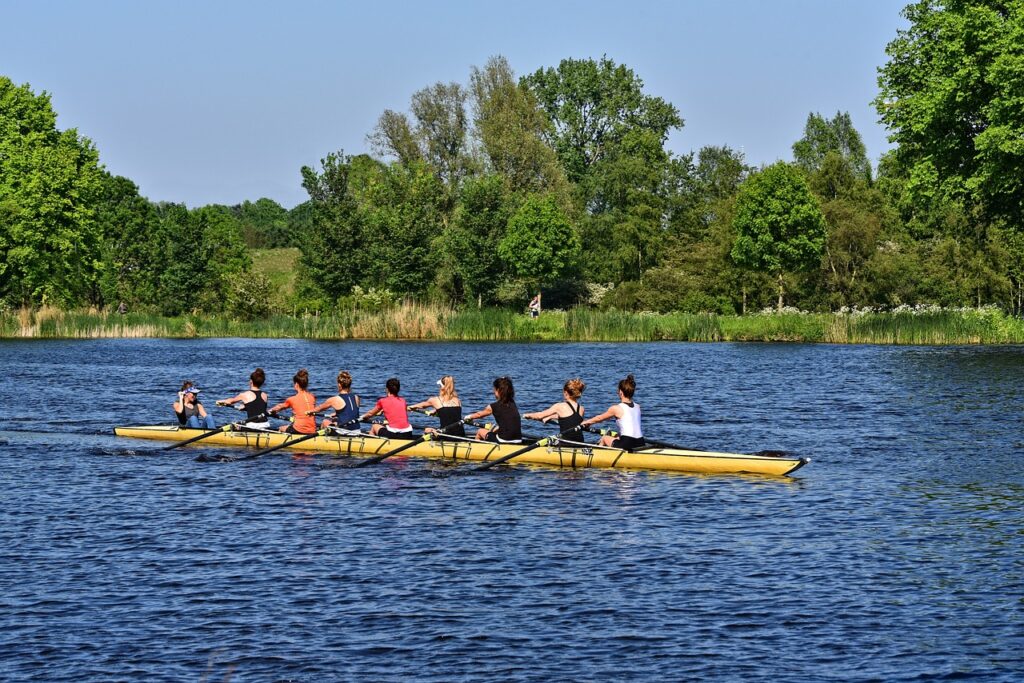
The more time I spend around rowing clubs, the more I realise that the answer is often very different from what we read about. We spend a lot of time talking about the people who are trying to win races, make it into winning crews or higher-end representative crews, or achieve personal bests, but they are only one part of the rowing community.
Walk into any rowing club, and you will find people with many different reasons for being there. Some have joined because they want to learn a new skill. Some are looking for a way to improve their fitness. Some have reached a point in life where they want to try something completely different. Others are looking for friendship, connection, and a sense of belonging.
Many people who complete a Learn to Row program never go on to race. They don’t become less important members of the club because of that. In fact, they often represent the majority of people who make up a healthy rowing community.
They may have come to rowing because they wanted to learn something new, or because their children had started the sport and they became curious about it themselves. But they often stay because they discover something they weren’t necessarily looking for.
They find a group of people they enjoy spending time with. They find a reason to get out of bed early on a cold morning, skip the “office drinks” or rearrange a social engagement so they can get to an afternoon session. They find a place where people know their name.
I think we sometimes underestimate how important it is for adults to become beginners again. Most of our lives are spent building expertise. We become good at our jobs, develop routines and become comfortable with the things we know. Starting something completely new puts us back in a position where we have to learn, make mistakes and improve. Maybe it even makes some of us feel young and valued again.
Rowing provides exactly that opportunity.
For a beginner, the first challenge is not about winning a race. It is about learning how to hold an oar correctly, how to balance a boat, and how to move together with other people. That first moment when a crew starts to connect, and the boat begins to move properly, is a special experience, regardless of whether the boat is travelling at race pace or simply enjoying a morning on the water as the sun rises.
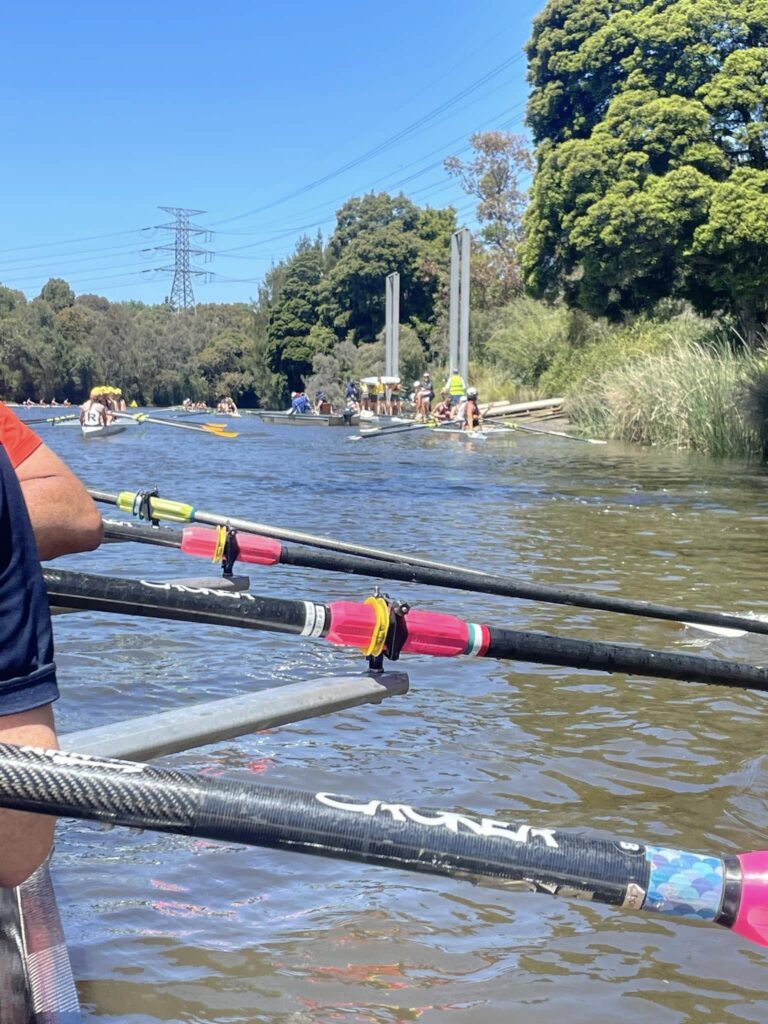
Perhaps that is one of the great things about rowing. Improvement does not always have to mean going faster. Sometimes improvement is simply feeling more comfortable in the boat, understanding a skill that seemed impossible a few months earlier, or helping someone else learn something that you once struggled with yourself.
When you speak to people who have been involved in rowing clubs for many years, the things they talk about are often not the things we expect. They don’t usually talk first about their best race result or their best erg result. Actually, that almost never happens. They talk about the people they row with, the friendships they have built, the conversations after training, and the feeling that their week would not be complete without their regular session.
For many people, rowing becomes part of the structure of their life. Work changes, families change and eventually retirement arrives, but the regular rhythm of the rowing club remains. There is something comforting about knowing that on Tuesday afternoon, or Saturday morning, the same people will be there, the boats will be on the water, and there will always be someone ready for a coffee, or perhaps a beer, afterwards.
And perhaps that is the part of rowing that is hardest to measure. The benefits are not always found in a stopwatch or a results sheet. They are found in the friendships, the conversations and the feeling of belonging to something bigger than yourself.
This is why rowing clubs are so important. They are not just places where people come to train. They are communities built by hundreds of people with different goals and different reasons for being involved. I have been known to say, tongue in cheek, that for many men, a rowing crew is like a “men’s shed on water”. There is probably more truth in that than I would like to admit.
The fastest crews are an important part of that community, but they are not the whole community. The club is also built by the coaches who give their time, the volunteers who open the sheds, the people who maintain the boats, the committee members who keep things running, and the members who simply keep turning up year after year.
And of course, let’s not forget the coxswains. They give up their valuable time to help all these people get something out of their rowing. They might not get a medal, and they might not even get much recognition, but without them many crews simply wouldn’t get on the water.
Without all of these people, there is no club.
Perhaps that is the real measure of a successful rowing club. Not just how many medals are in the trophy cabinet, but how many people feel that the club has become part of their life.
People may come to rowing for many different reasons. Some come for competition. Some come for fitness. Some come because they want to learn something new. Some come because their children started rowing and they thought they would give it a go. Others simply want to get out on the water and see what all the fuss is about.
But many stay because they find something they were not necessarily looking for. They find a community, friendship and somewhere they belong. And perhaps that is the real reason people row. Not everyone is looking for a medal, a personal best or a place in a winning crew. Some people are simply looking for somewhere they fit in, people they enjoy being around and something that gives their week a little more meaning. Belonging is one of the most basic human desires we have, and perhaps rowing clubs are much better at providing it than we sometimes realise.
Guy Besley is the author of Beyond the Call: The Art of Being a Rowing Coxswain. If you'd like to learn more, it's available as a two-volume edition on Amazon.

0 Comments